
The Company
Every card in the Company deck is a person in pageant dress, and the table is a town square. The idea is old: people have stood in for chess pieces for a century, and in the 1890s they stood in for playing cards. Here is what is documented, what is legend, and who is in the cast.
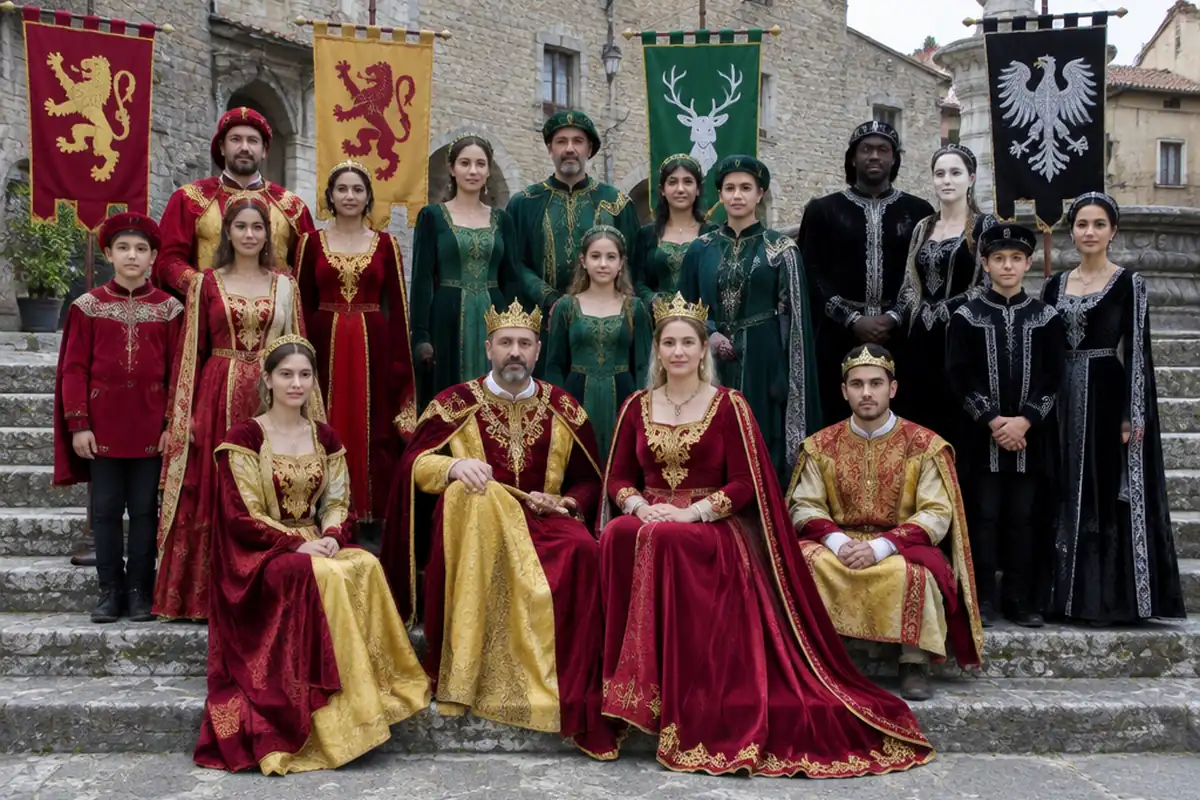
Living chess
In Marostica, in northern Italy, a game of chess is played every other September on the town square with costumed people as the pieces. The modern event was first staged on September 2, 1923, by Francesco Pozza, a young chemistry student, who had the pieces replay a famous game of 1851. The romantic story the town tells, of two knights playing for a lady's hand in 1454, is a local legend with no documents behind it. Today the show has about six hundred people in costume, according to the town.
In Tendo, Japan, Ningen Shogi has been part of the cherry blossom festival since 1956: performers in armor and kimono stand on a board about 52 by 46 feet while professional shogi players call the moves. Its origin is traced to a legend of Toyotomi Hideyoshi using his pages as pieces, which, as reported in Japanese sources, rests on an old account with no primary source. In northern Vietnam, human chess, cờ người, is a folk game of the spring festivals; Hanoi held one on February 21, 2026. In the United States, human chess is often played at Renaissance fairs, with captures fought out by trained stage fighters.
Living whist
Living whist was a fad of roughly 1891 to 1906 in Britain, the United States, Canada, and Australia. The earliest dated mention found so far is in the Illustrated London News of July 25, 1891; by January and February 1892 it was being staged in Salem, Quincy, and Lowell, Massachusetts, and in Bangor, Maine. Who invented it, and where it was first performed, is not known.
A children's column in the Daily Nevada State Journal of July 31, 1892 describes a performance. A large cloth is stretched on the floor as the card table, and only the four players sit. A bugle call opens; the cards enter in procession, the kings and queens "attended by their knaves and aces, and guarded by the smaller cards." The court cards dance a stately dance, then the music quickens and the whole deck falls into disorder: that is the shuffle. A 1906 program from Fort William, Ontario, put it simply: the living cards are "shuffled, dealt and played" by marching and tableau.
It was mostly charity work: dancing schools, church halls, and hospital benefits. The New York Times reported a game of living whist at Metzerott Hall in Washington, D.C., in January 1895, and the Los Angeles Times called it an "Eastern fad" the year before. In 1903 a short film, A Game of Living Whist, showed 52 dancers dressed as cards. The idea outlived the fad: Georges Méliès filmed The Living Playing Cards in 1905, and Stravinsky's ballet Jeu de cartes, "in three deals," opened at the old Metropolitan Opera House in 1937. In September 2024 the town of Loreo, Italy, was reported to have staged its first "living briscola," with performers as the cards.
This site takes the same idea to a card table where you play against the computer.
The four houses
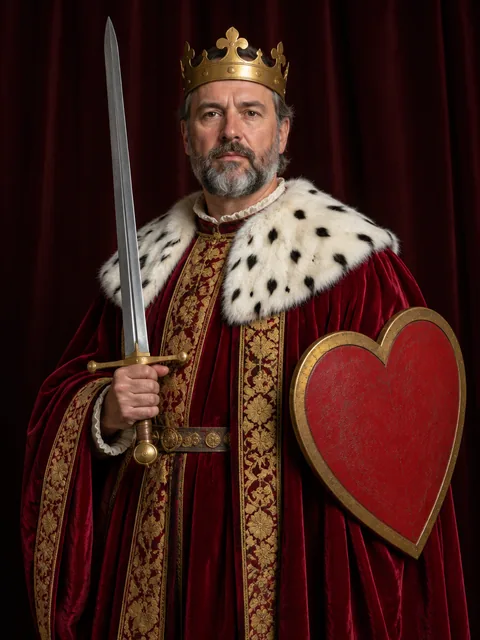
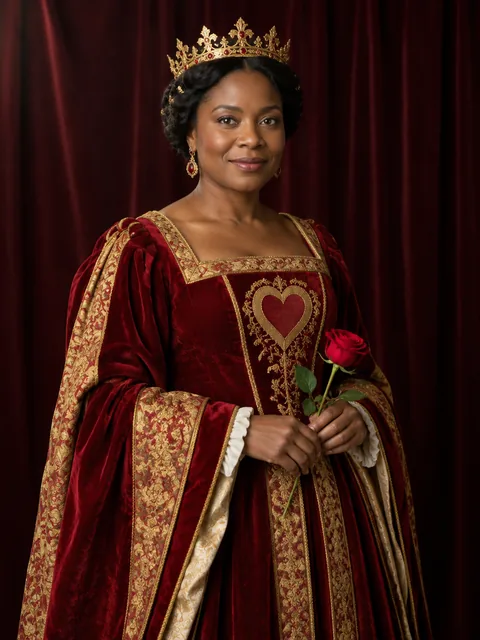
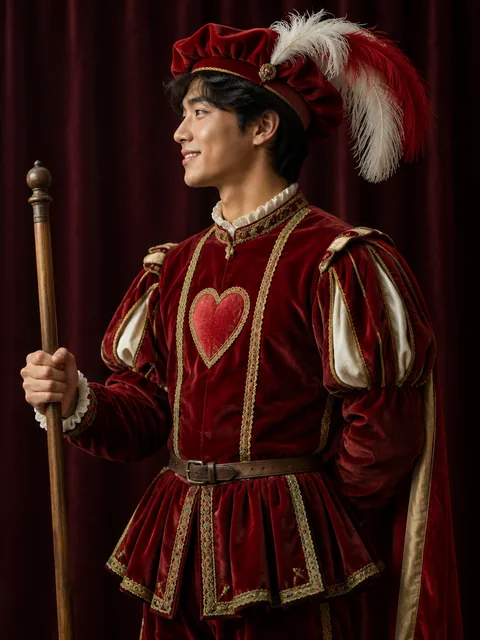
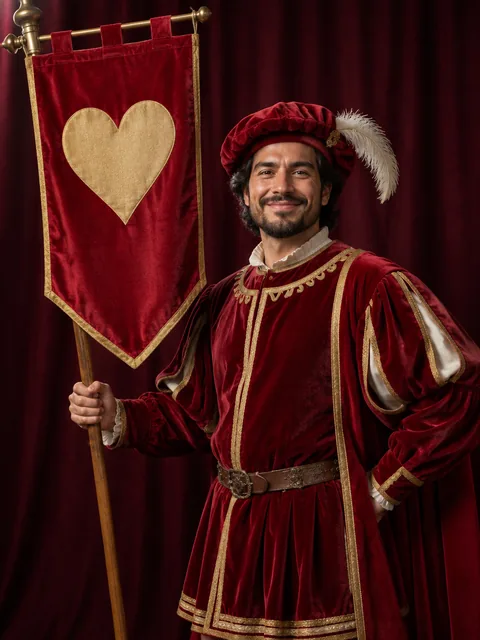
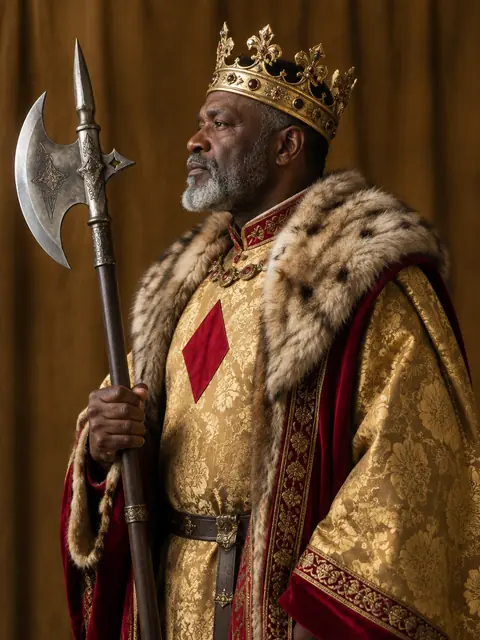
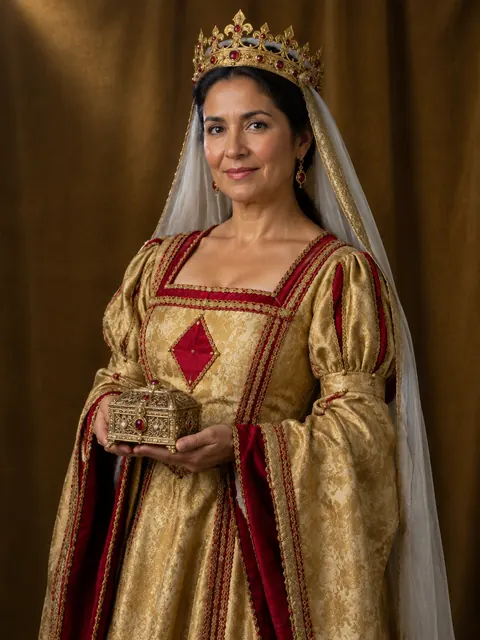
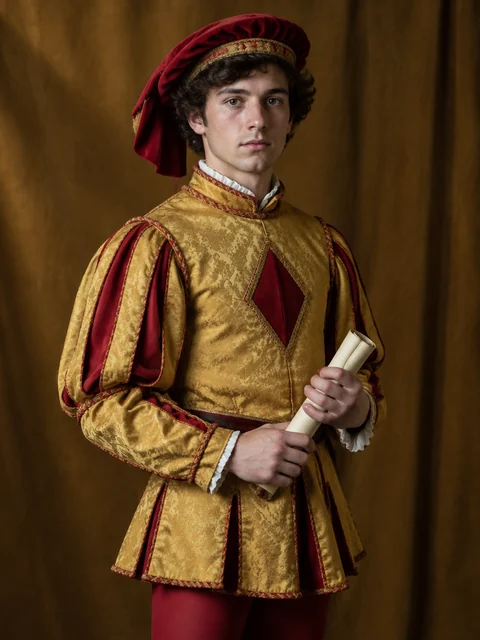
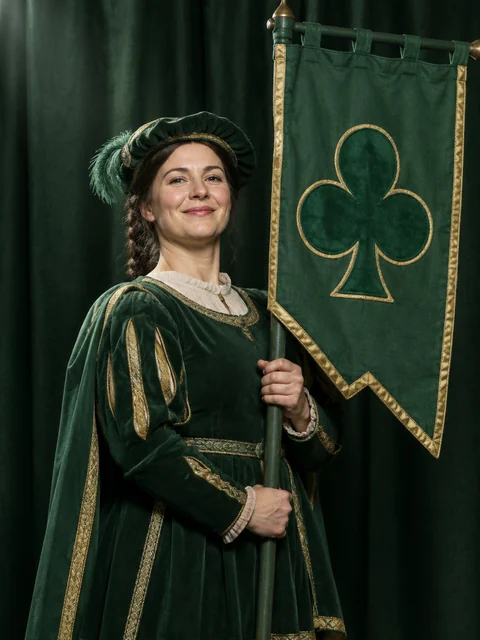
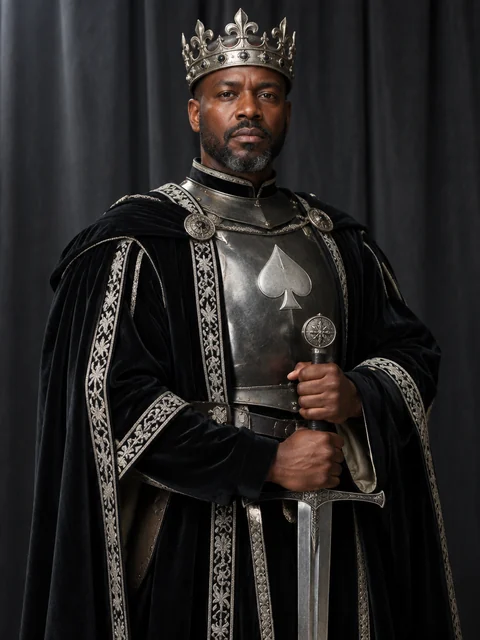
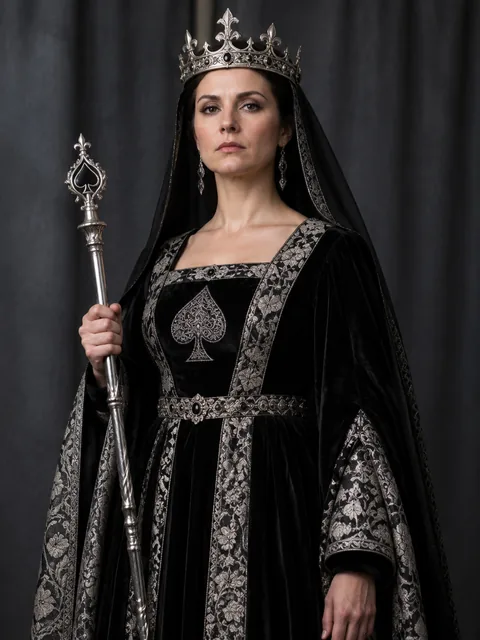
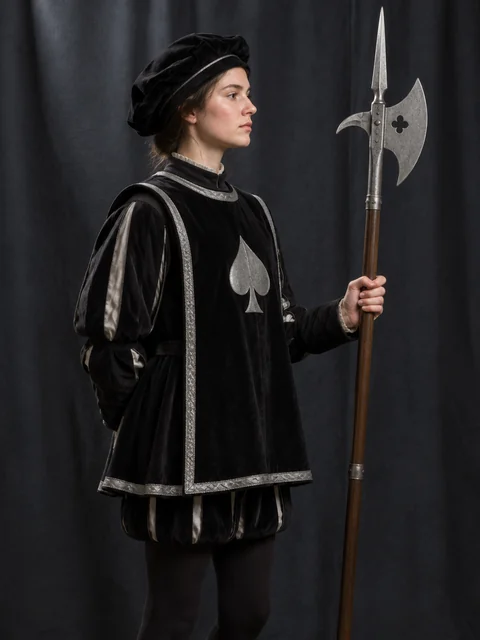
The French suits were adapted from the German ones around 1480; the English then renamed two of them, so the French clover became clubs and the pike became spades (the Spades page tells where that name comes from). In the Company each suit is a house. Hearts are the court household, in crimson velvet and gold. Diamonds are the merchants, in gold with red trim. Clubs are the foresters and farmers, in forest green. Spades are the soldiers, in black and silver. Each ace is the house's standard-bearer. Below the court, the number cards rise in seniority with rank: the two is the youngest, an apprentice or a page, and the ten is the most senior member of the house.
The court and the aces
The kings, queens, and jacks of the English and American deck have never carried names; they are not thought to represent anyone. French cards have printed names on them since the fifteenth century, a habit that survives in the Paris pattern. So our performers have roles, not names. The French names below are the traditional ones, as the World of Playing Cards lists them; they vary in some old decks. Where a card has a story, we give it with its source.
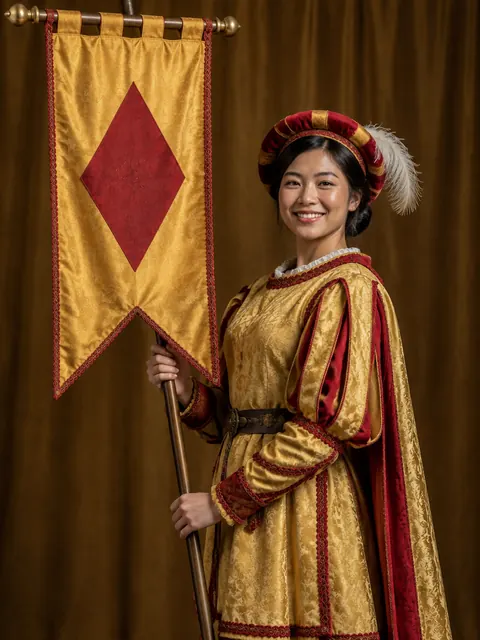
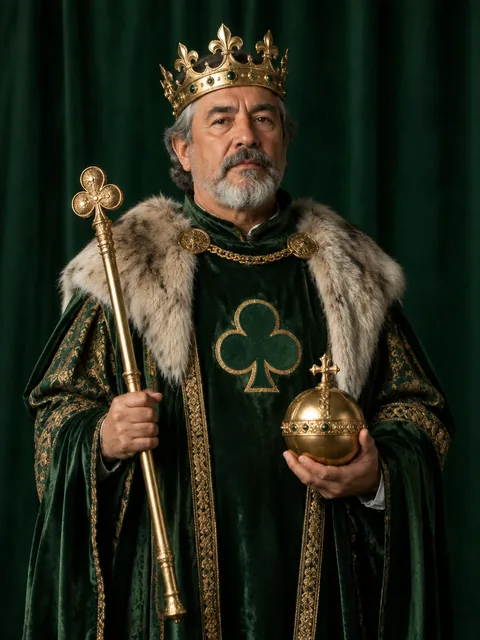
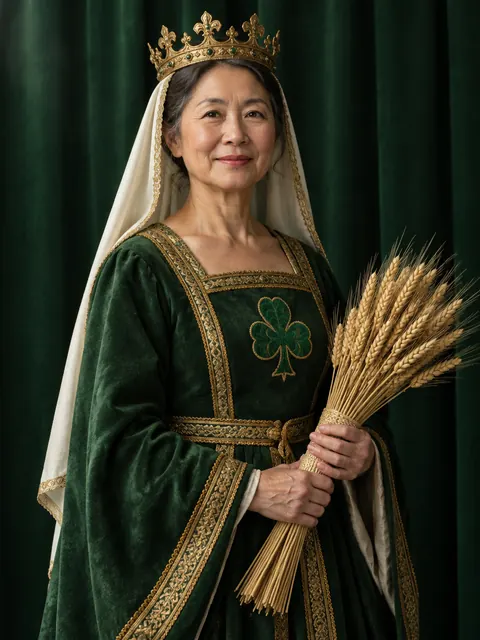
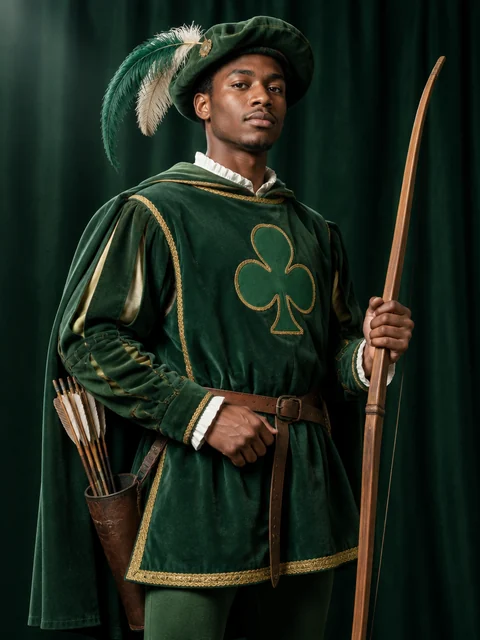
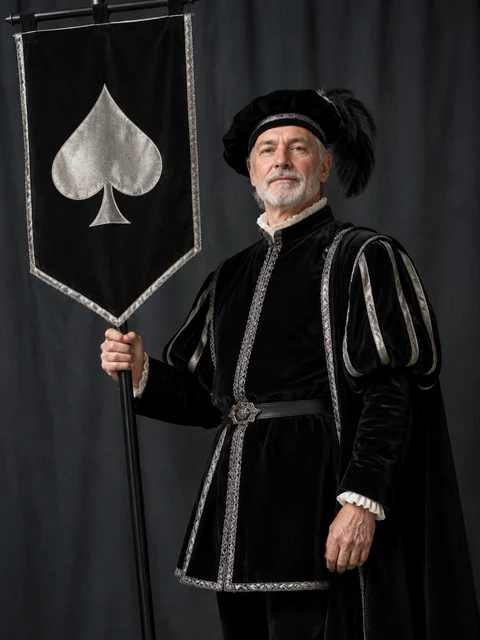
How the theatre works
When a card is played, its performer walks out to the cloth in the middle of the square. The card that takes the trick steps forward and the others follow it off. A Herald announces what matters in one short line, such as "Hearts are broken!" Each game has a few set pieces of its own: fireworks when someone shoots the moon in Hearts, the bowers invested when trump is named in Euchre, two small heralds marching along the cribbage board, and a king taking his corner.
None of it hides a rank or a suit. At the default speed a trick takes under a second, and one tap or click skips whatever is moving. Table settings offer three speeds, Stately, Brisk, and Off, and if your device is set to reduce motion, the table starts with animation off. In the light theme the square is seen by day; in the dark theme it is evening, with lanterns lit. Every game also has Watch a hand, in which the Company plays by itself while you look on.
Switching to the Classic deck
If you prefer plain traditional faces, press the Classic deck button on the table's toolbar. The same button switches back. You can also choose the deck in Table settings, from the Menu. Your choice is remembered in this browser for every game.
Last updated